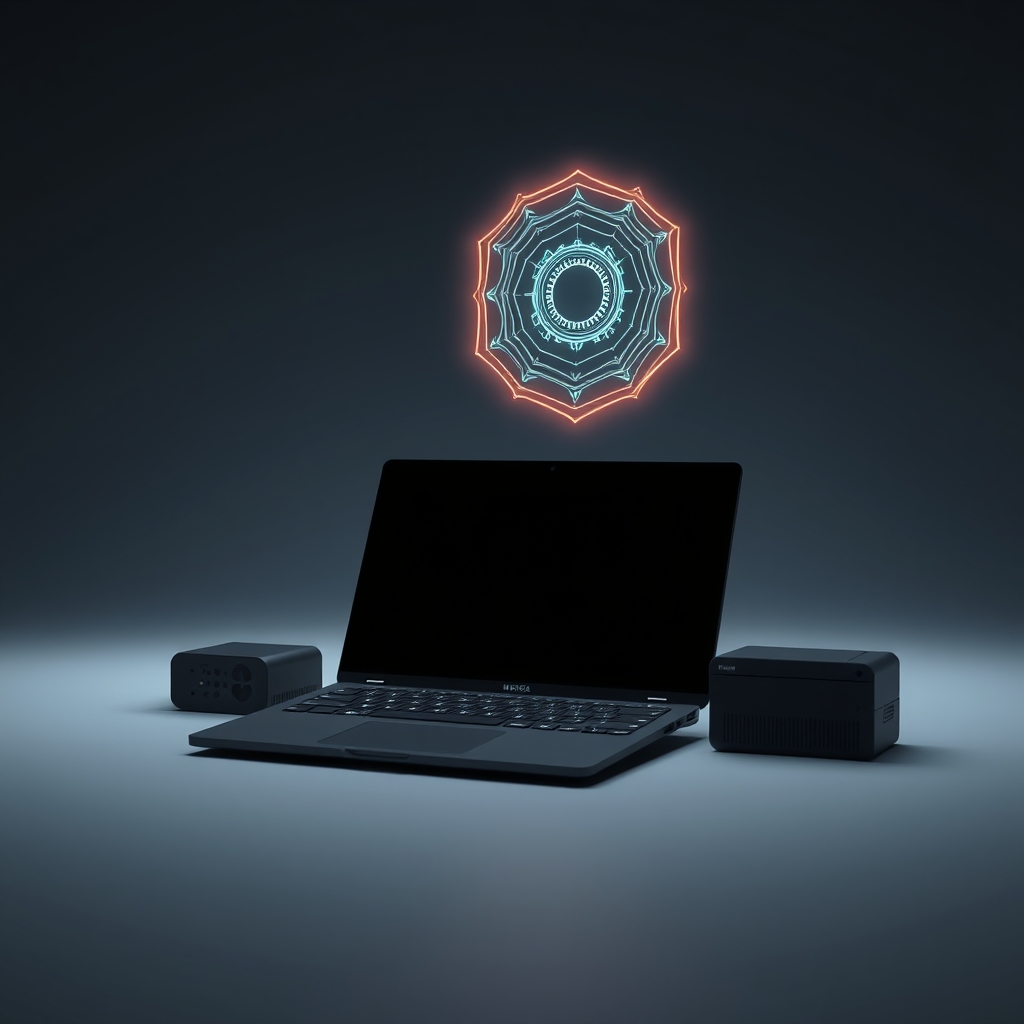
Microsoft's Surface Laptop Ultra and RTX Spark Dev Box arrive — Windows PCs built for local AI agents
Pre-orders opened October 7 with shipping on October 16, alongside revamped Windows 11 features for agentic AI and a broader RTX Spark laptop ecosystem.
Microsoft and Nvidia opened pre-orders on October 7, 2026 for the Surface Laptop Ultra and the Surface RTX Spark Dev Box, two devices built around Nvidia's new RTX Spark superchip. Both ship on October 16, and they anchor what Nvidia describes as the first wave of Windows PCs "purpose-built for personal AI agents." The announcement also introduced revamped Windows 11 features aimed at agentic AI, giving the hardware and OS a shared launch moment.
RTX Spark unites an "ultra-efficient CPU with a powerful RTX GPU" into a single package, delivering up to 1 petaflop of AI compute and up to 128GB of unified memory. That unified-memory design is the key differentiator: it lets larger models and datasets run directly on-device for lower latency and greater privacy, while the full Nvidia stack — CUDA, TensorRT, DLSS, FP4, and OptiX — keeps creators and gamers on the same tooling as desktop and datacenter GPUs.
The Surface RTX Spark Dev Box starts at $5,999.99 and is aimed squarely at developers and AI engineers: it ships with a compact small-form-factor chassis, a new thermal design, and a developer-first Windows 11 image preconfigured with Visual Studio Code, GitHub Copilot in Windows Terminal, WSL, and PowerShell 7. The Surface Laptop Ultra, meanwhile, is pitched as Microsoft's most powerful Surface laptop ever, with a re-engineered thermal system and a magnetic USB-C connector designed to handle sustained heavy workloads and a long battery life.
The Windows side of the launch centers on hybrid intelligence. Microsoft's demonstration had Copilot run locally on the Dev Box, using an "efficiency mode" that auto-selects a model based on task complexity — heavier prompts escalate to a cloud model while sub-agents run on-device. New features such as Copilot Autopilot target autonomous file and email workflows, extending the "cure for token anxiety" pitch: run models locally for free, then scale to the cloud when you need frontier-scale answers.
The broader RTX Spark ecosystem
- Surface Laptop Ultra: Nvidia silicon, up to 128GB unified memory, new thermal system and magnetic USB-C
- Surface RTX Spark Dev Box: from $5,999.99 with VS Code, Copilot CLI, WSL and PowerShell 7 preinstalled
- RTX Spark superchip: 1 petaflop of AI compute, CPU-plus-RTX-GPU design, full CUDA/TensorRT stack
- Windows 11 updates: Copilot Autopilot, hybrid intelligence that auto-routes between local and cloud models
- Partner machines: Lenovo, ASUS, Dell, MSI and HP all announced RTX Spark Windows laptops
- Dell XPS 16 Creator Edition pre-ordered from $3,800 for late-October delivery at Best Buy
For years Windows laptops ran x86 or Arm CPUs with separate GPUs; RTX Spark fuses an efficient CPU and a serious RTX GPU with a large unified memory pool, and pairs it with native Windows security primitives and Nvidia's OpenShell to run agents securely on the primary device. It is the clearest signal yet that PC vendors and OS makers are redesigning the whole stack for on-device, agent-era AI.
If you run local AI models or agents, RTX Spark machines — and the Dev Box in particular — give you a desk-side box that trains and fine-tunes without paying per-token cloud bills. If you're a creator or developer, expect a new baseline of 128GB unified-memory laptops and a wave of Copilot-Autopilot features in Windows 11; check the October 16 shipping date before committing to one, since these are the first units from each maker.
Sources: TechCrunch: Microsoft releases new Nvidia-chip AI PCs with revamped Windows 11; Tom's Hardware: Microsoft and Nvidia launch Surface Laptop Ultra with RTX Spark; NVIDIA Newsroom: NVIDIA and Microsoft Reinvent Windows PCs for the Age of Personal AI.
Corrections: Report an error at corrections@wireshaman.com.